


Spring Pests in Namibia: What to Look Out For
Spring in Namibia brings warmer days, longer evenings and a fresh burst of activity outdoors. Unfortunately, people are not the only ones becoming more active. As temperatures rise, many common pests begin searching for food, water, shelter and suitable places to breed.

For households, this can mean ants in the kitchen, mosquitoes around the garden or cockroaches appearing after dark. For lodges, restaurants, warehouses, offices and other commercial premises, even a small pest problem can affect hygiene standards, stock, staff wellbeing and the experience you provide to customers.
Knowing what to look out for can help you act before a few unwanted visitors turn into a much bigger problem.
Why pest activity increases in spring
Warmer weather often creates better conditions for pests to move, feed and reproduce.
Spring cleaning, open doors and windows, outdoor dining, increased deliveries and changes in rainfall or water availability can also create new access points and attract pests.
In homes, pests are often drawn to kitchens, cupboards, drains, pet-feeding areas and gardens. On commercial properties, risk areas can include storerooms, loading bays, kitchens, refuse areas, staff facilities, roof spaces, landscaping and places where water collects.
Common spring pests to watch for
1. Ants
A few ants on a counter may seem harmless, but they are often scouts searching for food and water. Once they find a reliable source, more can quickly follow.

Look out for:
Ant trails along walls, floors, windowsills or outside pathways
Small piles of soil near paving, foundations or garden beds
Activity around sugar, food spills, pet bowls and waste bins
Ants entering through cracks, electrical points or gaps around windows
In hospitality and food-handling environments, ants can quickly become more than a nuisance. They may contaminate preparation areas and create an unpleasant impression for guests or customers.
2. Cockroaches
Cockroaches prefer warm, dark and sheltered areas close to food and moisture. They are mostly active at night, so seeing one during the day may indicate that more are hiding nearby.

Look out for:
Droppings that resemble black pepper or coffee grounds
Egg cases in cupboards, behind equipment or inside storage areas
An unpleasant, musty smell
Smear marks along walls or near water sources
Live cockroaches around drains, sinks, kitchens, bathrooms, storerooms and refuse areas
Restaurants, lodges, canteens, warehouses and food-processing environments should pay particular attention to areas behind fridges, stoves, shelving and other equipment that is not moved regularly.
3. Flies
Flies multiply quickly when they have access to food waste, organic matter and moisture. They can move between contaminated surfaces and food-preparation or dining areas, making them a hygiene concern for both homes and businesses.

Look out for:
Increased fly activity around doors, windows and bins
Flies gathering near drains, kitchens, animal areas or waste zones
Maggots in rubbish bins or decaying organic material
Small flies around damp drains, overripe fruit or standing water
Cleaning visible surfaces alone may not solve the problem. The source may be hidden inside a drain, beneath equipment or in an outdoor waste area.
4. Mosquitoes
Mosquitoes need surprisingly little standing water in which to breed. Gutters, buckets, plant saucers, blocked drains, water tanks and poorly maintained water features can all become breeding sites.

Look out for:
Standing water around the property
Increased mosquito activity at dusk and after dark
Blocked gutters or drains
Uncovered containers that collect rain or irrigation water
Damaged insect screens on windows and doors
At lodges, guesthouses, campsites and outdoor venues, mosquito activity can significantly affect guest comfort, even when the rest of the property is well maintained.
5. Termites
Termites can remain unnoticed while causing damage behind the scenes. Their activity may become more visible during warmer periods, particularly when winged termites emerge to establish new colonies.

Look out for:
Mud tubes along walls, foundations or wooden structures
Hollow-sounding, blistered or weakened wood
Discarded wings near windows, lights or doors
Small holes or unexplained damage to timber
Doors or windows that suddenly become difficult to open
Termite activity should be professionally assessed. Surface treatment may remove the insects you can see without addressing the colony or the full extent of the problem.
6. Rodents
Rats and mice are a year-round concern, but changes in weather, food availability and property activity can push them towards buildings. Warehouses, food stores, lodges, restaurants and properties near open land should remain especially alert.

Look out for:
Droppings in cupboards, storerooms or along walls
Gnaw marks on packaging, cables, wood or containers
Scratching sounds in ceilings, walls or roof spaces
Greasy rub marks along frequently used routes
Shredded paper, fabric or insulation used for nesting
Damaged stock or unexplained food spillages
Rodents can damage products and infrastructure, contaminate food and create fire risks by chewing electrical wiring.
7. Stored-product pests
Warehouses, retailers, commercial kitchens and household pantries should also watch for insects that infest flour, grains, cereals, nuts, animal feed and other dry goods.
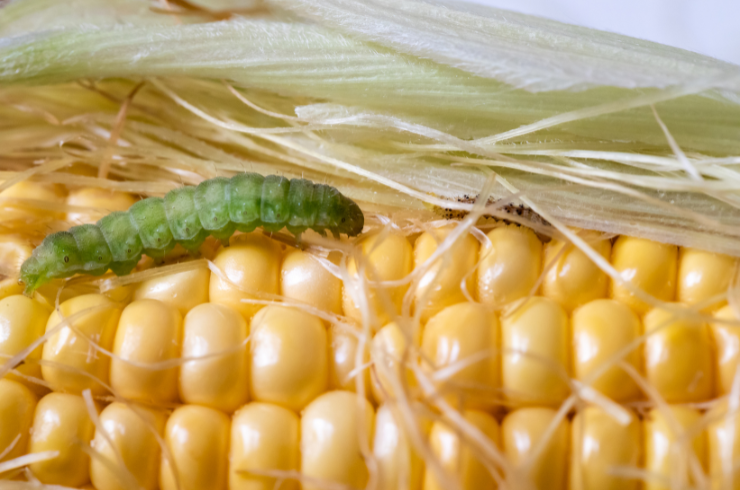
Look out for:
Small beetles, moths or larvae in and around stored products
Webbing, clumping or unusual dust inside packaging
Tiny holes in bags, boxes or packets
Insects on shelves, walls or near windows
Repeated spoilage in one section of a storeroom
Check stock regularly and follow a first-in, first-out system. Damaged or infested goods should be isolated promptly to prevent the problem from spreading.
Simple steps to reduce your pest risk
Good pest control starts with prevention. Whether you manage a family home, lodge, warehouse or office, a few consistent habits can make the property far less attractive to pests:
Keep food in sealed containers and clean spills promptly.
Empty bins regularly and keep refuse areas clean and covered.
Repair leaking taps, pipes and drains.
Remove standing water and clear blocked gutters.
Seal cracks, gaps and openings around doors, windows, pipes and rooflines.
Fit or repair insect screens where possible.
Keep vegetation trimmed away from buildings.
Inspect incoming stock, cartons and pallets before storage.
Avoid unnecessary clutter, especially in storerooms and seldom-used areas.
Keep stock off the floor and leave space between shelving and walls for inspection.
Schedule regular checks of kitchens, drains, loading areas, waste zones and staff facilities.
When should you call a pest-control professional?
Early action is usually simpler and more cost-effective than waiting for an infestation to spread.

Professional help is recommended when:
You repeatedly see pests despite cleaning and basic prevention.
You notice droppings, nests, egg cases or structural damage.
The source of the problem is difficult to locate.
The problem affects food, stock, guests, employees or customers.
You operate in an environment with strict hygiene or food-safety requirements.
You need an ongoing prevention and monitoring programme.
A professional inspection does more than treat the pests that are visible. It helps identify how they are entering, what is attracting them and which conditions need to be corrected to reduce the chance of them returning.
Do not let a small sign become a big problem
Spring is the ideal time to inspect your property, tighten up prevention measures and deal with early pest activity. Pay attention to the small signs: a trail of ants, an unexplained dropping, damaged packaging or water collecting where it should not. These clues can tell you a great deal about what may be happening out of sight.
Whether you are protecting your home, welcoming guests, storing valuable goods or maintaining a hygienic workplace, proactive pest management helps keep people, property and reputations protected.
If you have noticed signs of pest activity or would like a professional assessment, contact Baywash Pest Control. Our team can help identify the problem and recommend a practical treatment and prevention plan suited to your property.
Because, it's not clean until it's Baywash clean.


Comments